
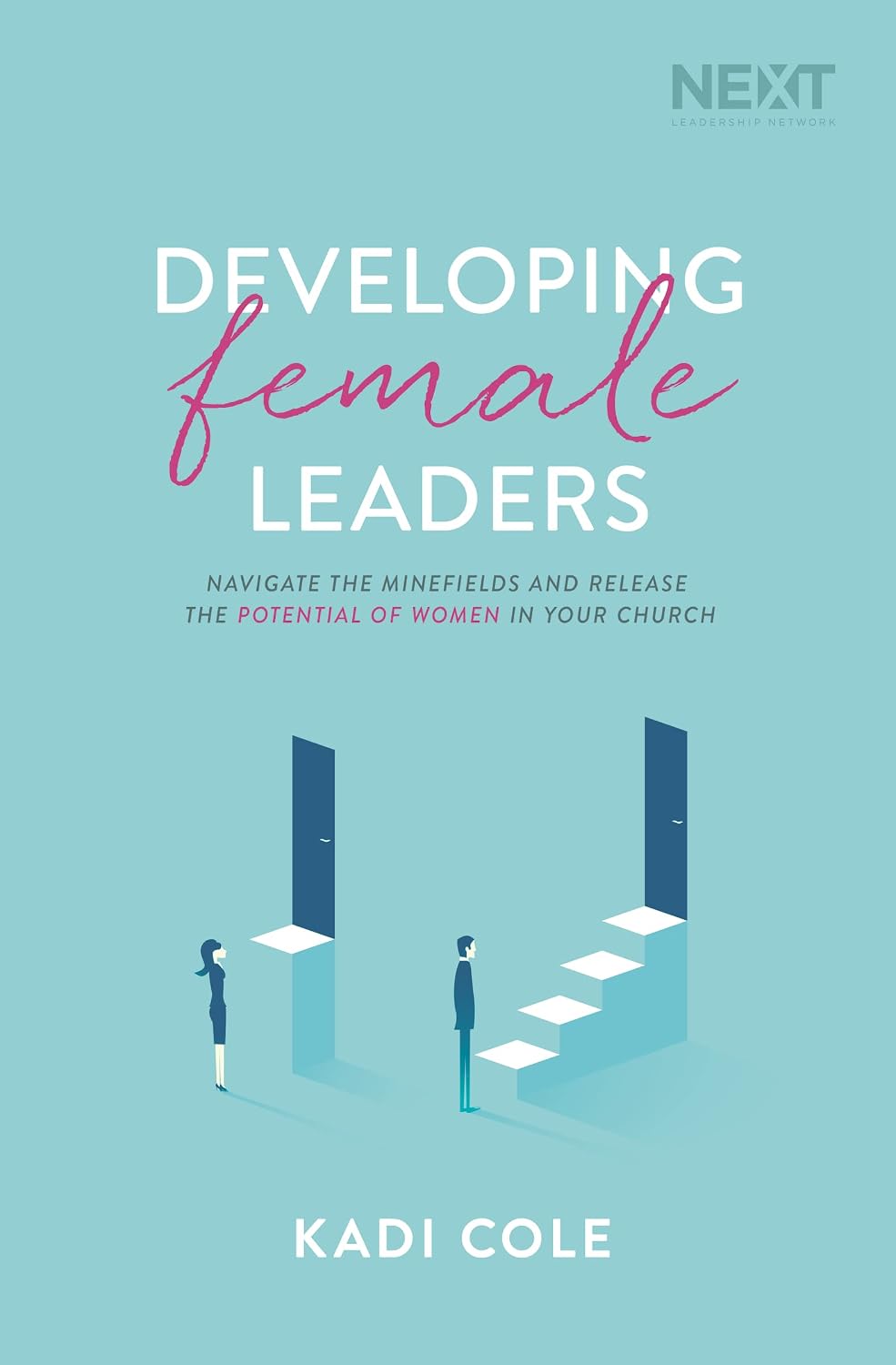
Developing Female Leaders gave me a helpful framework for thinking about the spectrum of beliefs surrounding women and leadership in the church, from patriarchy through complementarian and egalitarian positions and toward matriarchy, including the many shades that exist between those labels. Cole also draws on research and interviews to explore leadership pipelines, organizational culture, mentoring, and the practical barriers that can limit women’s development.
The role of women in church leadership is not a conversation likely to disappear, and this book helped me clarify where I stand and why. Once we understand our convictions, we also have a responsibility to teach and encourage within those convictions thoughtfully and consistently.
Just as important, men and women in the church need to learn to relate to one another without fear, suspicion, or hypersexualized assumptions and instead recover the biblical picture of brothers and sisters serving Christ together.